What Is an Enclosed Sunroom Gazebo?
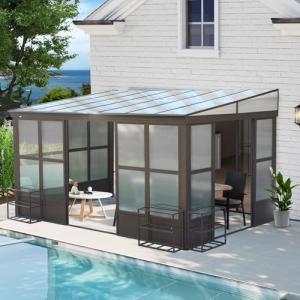
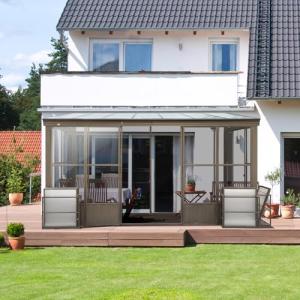
An enclosed sunroom gazebo is a freestanding or attached outdoor structure with solid walls, windows, and a roof designed to create a fully protected living space. Think of it as a cross between a traditional backyard gazebo and a home sunroom addition — you get the architectural character of a gazebo with the comfort and functionality of an interior room.
Most enclosed sunroom gazebos are built with aluminum, wood, or vinyl framing paired with tempered glass or polycarbonate panels. Some feature screened sections that can be swapped out or combined with solid glazed panels, giving homeowners flexibility based on the season or climate. Roofing materials range from polycarbonate panels that let in diffused natural light to solid insulated roof systems designed for cold northern winters.
Sizes typically start around 10 x 10 feet and go up to 16 x 20 feet or larger for custom configurations. Whether you're looking for an intimate two-person reading nook or a spacious entertainment space that seats 12, there's a configuration built for your lifestyle and your backyard.
Why Homeowners Are Choosing Enclosed Sunroom Gazebos
The reasons people fall in love with enclosed sunroom gazebos are as varied as the people themselves. For some, it's about reclaiming outdoor time that weather keeps stealing away. For others, it's about adding livable square footage without the cost and disruption of a full home addition. For many, it's simply the desire for a beautiful, peaceful place to call their own.
Here's what drives most buying decisions:
Four-Season Use. An enclosed gazebo extends your outdoor living season dramatically. In warmer climates like the Southeast or Southwest, that might mean year-round use. In states like Minnesota, Ohio, or Colorado, it means comfortably enjoying your backyard from March through November — and with the right insulation and heating, all twelve months.
Privacy and Comfort. Glass walls can be frosted, tinted, or positioned strategically so you enjoy your space without feeling exposed. Add a small space heater or ceiling fan, hang some curtain panels inside, and you have a room that feels genuinely cozy rather than exposed.
Low Maintenance Compared to a Full Addition. A permanent sunroom addition to your home requires permits, foundation work, electrical rough-in, and significant construction time. An enclosed sunroom gazebo — especially a freestanding prefabricated kit — can often be assembled in a weekend (for smaller models) or a few days with a crew, sitting on a simple concrete pad or deck. Many homeowners save tens of thousands of dollars going this route.
Home Value. Outdoor living space consistently ranks among the top features buyers look for in residential real estate. An attractive, well-built enclosed sunroom gazebo enhances curb appeal and makes your home more memorable on the market.
Types of Enclosed Sunroom Gazebos
Not all enclosed gazebos are the same, and understanding the key differences helps you find the right fit for your property and budget.
Fully Glazed Sunroom Gazebos
These feature tempered glass or double-pane insulated glass panels on all sides, combined with a glass or polycarbonate roof. They offer the most natural light and the clearest views, and they're ideal for climates where you want a true four-season room. Frames are typically aluminum — powder-coated in black, bronze, or white — for maximum durability and minimal maintenance. Expect sizes from 10 x 12 feet up to 14 x 18 feet in standard configurations.
Screen and Glass Combo Gazebos
These hybrid structures let you swap panels or open sections during mild weather to get open-air airflow, then close up with glass or polycarbonate panels when it's cold or rainy. They're extremely popular in the Mid-Atlantic and Pacific Northwest, where mild summer evenings make a fully screened environment ideal, but spring and fall rains are unpredictable. Many models include sliding or removable panel systems you can reconfigure yourself.
Polycarbonate Roof Sunroom Gazebos
Polycarbonate roofing panels — typically twin-wall or triple-wall construction — offer a cost-effective alternative to glass. They're lighter, shatter-resistant, and often UV-coated to filter harmful rays while letting in soft, even light. Polycarbonate panels have a slight translucent quality rather than the full transparency of glass, which many homeowners actually prefer for a softer, more diffused interior environment. These models tend to be more affordable and easier to ship and assemble.
Insulated Panel Sunroom Gazebos
Designed for cold climates and true four-season living, these structures use insulated SIP (structural insulated panel) wall sections combined with thermally broken aluminum frames and double-pane windows. They hold heat significantly better than single-pane glass models and are built to support snow loads up to 30–40 lbs per square foot, meeting code requirements in many northern states. These are the premium end of the market and often require professional installation.
Key Features to Look For
When you're shopping for an enclosed sunroom gazebo, the details in construction and hardware make a big difference in long-term satisfaction. Here's what to prioritize:
Frame Material and Gauge. Aluminum frames should be at least 1–1.5 inches thick with wall thickness of 0.08 inches or greater. Thicker frames support more glass weight, withstand higher wind loads, and flex less over time. Wood frames — typically western red cedar or pressure-treated pine — offer a warmer aesthetic but require more seasonal maintenance.
Glazing Thickness. Single-pane glass is the most affordable but provides minimal insulation. Double-pane insulated glass (often 1-inch total thickness) significantly improves thermal performance. For year-round use in northern climates, look for low-E coated glass, which reflects heat back into the space during winter.
Roof Load Rating. Check the roof's rated snow load if you live in a northern state. A good four-season structure should handle at least 25–30 lbs per square foot of roof loading. Lighter polycarbonate-roofed models may only be rated for 10–15 lbs per square foot.
Wind Rating. Coastal homeowners and those in tornado-prone states should look for structures rated to withstand sustained winds of 90–110 mph or higher. Most quality manufacturers test and rate their products to meet local building codes.
Floor System Compatibility. Most enclosed sunroom gazebos sit on a concrete slab, concrete piers, a deck, or patio pavers. Confirm that the base system you plan to use is compatible with the mounting hardware included.
Door Options. A solid hinged door with a proper weather seal makes a dramatic difference in how comfortable the space feels. Look for double doors if your model is 12 feet wide or larger — they make the space feel more open and welcoming, and they allow furniture to move in and out easily.
Size Guide: Choosing the Right Footprint
Picking the right size is one of the most important decisions you'll make, and it's easier than it sounds once you think about how you'll actually use the space.
A 10 x 10-foot enclosed sunroom gazebo works beautifully as a quiet retreat for two — a pair of lounge chairs, a side table, and a potted plant or two fill it comfortably without feeling crowded.
A 10 x 12 or 12 x 12-foot structure gives you room for a bistro dining set for four, or a sofa with two chairs. This is the sweet spot for couples and small families who want a functional entertaining space without dominating the backyard.
A 12 x 16 or 14 x 18-foot model is where you start to think about full outdoor dining tables, sectional seating, and even a small bar cart or outdoor kitchen island tucked into a corner. These sizes work especially well on larger suburban or rural lots.
For custom builds over 16 x 20 feet, most manufacturers offer modular extension kits or work with dealers to create truly bespoke configurations.
Installation: What to Expect
Most prefabricated enclosed sunroom gazebo kits are designed for homeowners with basic construction experience — but "basic" does a lot of heavy lifting in that sentence. Glass panels are heavy (expect 30–60 lbs per panel), and precision matters when you're assembling a glazed structure. Frames need to be perfectly level and square before glass goes in, or panels may not seal correctly.
For 10 x 10 and 10 x 12 models, a two-person team over a weekend is realistic if the foundation is already in place. Larger models — anything 12 x 16 feet and above — typically benefit from a third person or professional installation, and manufacturers often recommend hiring a contractor for structures with insulated glass panels due to the weight and precision involved.
Most kits ship via freight delivery on a pallet. Expect a delivery window of 2–6 weeks from order depending on the manufacturer, the model, and current demand.
Permits and Building Codes
Building permit requirements for enclosed sunroom gazebos vary significantly by state, county, and municipality. Freestanding structures under 200 square feet are exempt from permits in many jurisdictions, but this is far from universal — especially in HOA-governed communities or coastal flood zones.
Before purchasing, it's worth a quick call to your local building department to ask whether a permit is required, what setback requirements apply (typically 5–10 feet from property lines), and whether your subdivision has any HOA restrictions on accessory structures. Most manufacturers can provide engineering drawings and specifications to support permit applications if required.
Caring for Your Enclosed Sunroom Gazebo
One of the most appealing aspects of enclosed sunroom gazebos — especially aluminum-framed models — is how little maintenance they require compared to a wood deck or full home addition.
Glass panels should be cleaned twice a year with a standard glass cleaner and a non-abrasive cloth. Avoid pressure washing directly at seams and gaskets. Aluminum frames can be wiped down with mild soap and water. Inspect door seals and weather stripping annually and replace as needed — this is the most common maintenance item on any glazed structure.
Wood-framed models require re-staining or resealing every 2–3 years depending on your climate and sun exposure. Cedar holds up well but will gray over time without treatment.
The Right Investment for Your Outdoor Life
An enclosed sunroom gazebo isn't just a backyard upgrade — it's a genuine change in how you live. It's where morning coffee becomes a ritual instead of a rush, where summer dinner parties don't end the moment the sun goes down, and where the change of seasons becomes something to look forward to rather than something to hide from.
Whether you're drawn to the clean lines of a modern aluminum-and-glass design, the warmth of a cedar-framed traditional structure, or the versatility of a screen-and-glass combo model, there's an enclosed sunroom gazebo designed for exactly the life you want to build. Browse our full collection below to find the perfect fit for your space, your climate, and your budget.