A well-chosen poolside or waterfront gazebo pays dividends every single summer. It extends the number of hours you comfortably spend outdoors, creates a natural gathering point for family and guests, and adds a considered, finished quality to what might otherwise feel like an underutilised corner of your property.
Poolside & Waterfront Gazebos
Product List
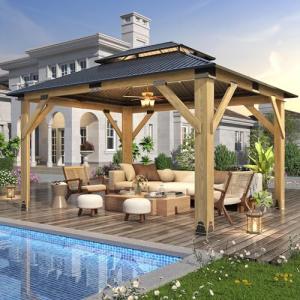
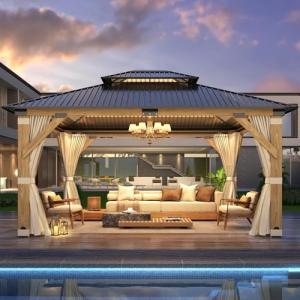
Why Poolside and Waterfront Locations Demand a Different Kind of Gazebo
Not every gazebo is built for life near water. Standard backyard gazebos are often designed with drier, more sheltered conditions in mind. A poolside or waterfront environment introduces a specific set of challenges that the right product needs to meet head-on.
Chlorine and saltwater exposure gradually degrade many standard powder-coat finishes and cheaper aluminum alloys. A gazebo positioned close to a chlorinated pool or a saltwater body of water needs frames treated or manufactured to resist this kind of chemical wear. Look for marine-grade aluminum, hot-dip galvanized steel, or powder-coated finishes rated for coastal or pool environments.
Persistent moisture is the enemy of untreated wood and low-quality metal alike. While a cedar gazebo can look stunning near water, it requires regular sealing and maintenance. Many buyers gravitate toward powder-coated steel or aluminum frames paired with solution-dyed polyester or acrylic canopy fabrics, which resist mold, mildew, and UV breakdown far better than standard polyester weaves.
Wind exposure near open water tends to be stronger and more unpredictable than in a sheltered garden. A lakeside dock or beachside deck can experience genuine gusts, which means your gazebo needs proper anchoring options, wind-resistant frame engineering, and ideally a canopy that can be removed or retracted when storms approach.
Sun intensity is amplified near reflective water surfaces. A poolside gazebo canopy needs a high UPF (Ultraviolet Protection Factor) rating — ideally UPF 50+ — to offer meaningful protection for people sheltering beneath it during peak sun hours.
Types of Poolside and Waterfront Gazebos
The category is broader than many buyers initially expect. Here's a breakdown of the main styles you'll encounter.
Hardtop Gazebos
Hardtop gazebos feature a rigid roof — typically powder-coated steel, aluminium, or polycarbonate — rather than a fabric canopy. These are the most permanent-feeling option in the category and tend to handle rain, debris, and sustained sun exposure better than soft-top alternatives. A hardtop gazebo near a pool provides reliable, year-round shade without the seasonal task of removing and storing a canopy. Many models include integrated guttering channels that direct rainwater away from the structure, which is a particularly useful feature in waterfront settings prone to afternoon showers.
Soft-Top and Fabric Canopy Gazebos
The most popular type in residential pool and waterfront settings, soft-top gazebos pair a steel or aluminium frame with a removable fabric canopy. These tend to offer better value for money, are easier to relocate, and give you the flexibility to swap canopies when fabric eventually fades or wears. Look for canopies made from solution-dyed acrylic (like Sunbrella-style fabrics) or high-density polyethylene (HDPE) shade cloth, which resist UV fading and mold far better than cheaper alternatives.
Pergola-Style Gazebos with Shade Sails or Curtains
Some poolside structures blur the line between gazebo and pergola. These open-frame structures can be fitted with retractable shade sails, drop-down side curtains, or wisteria-style climbing plant integration. They offer a more architectural, permanent aesthetic and work particularly well in modern or Mediterranean-inspired outdoor settings. Privacy curtains are a popular add-on for poolside pergolas, creating sheltered changing areas or reducing wind without completely blocking airflow.
Pop-Up and Portable Canopy Gazebos
For waterfront settings like boat docks, lakeside camping spots, or beach properties, a portable pop-up canopy gazebo offers maximum flexibility. These lightweight structures can be set up and taken down in minutes and typically fold into a carry bag. They're not a long-term architectural statement, but for seasonal use, weekend getaways, or as a temporary solution while you plan a permanent installation, they fill the role well. Look for models with sandbag weight pockets or ground spike anchoring to counter the gustier conditions common near open water.
Pavilion-Style Gazebos
Larger than a standard gazebo, pavilion-style structures are increasingly popular for serious outdoor entertainment spaces adjacent to pools. A pavilion gazebo might measure 12x16 feet or larger, comfortably housing an outdoor dining set, bar cart, and seating area in a single shaded zone. These are designed to become a semi-permanent feature of your outdoor space and often include side screens, integrated lighting hooks, and anchoring hardware for secure installation on decking or concrete.
Key Features to Look for When Buying a Poolside Gazebo
With so many options available, knowing which specifications actually matter will help you narrow down your choice.
Frame Material and Corrosion Resistance
Steel frames are strong and stable, but must be powder-coated and ideally hot-dip galvanized to resist rust in humid, chlorine-rich, or coastal environments. Aluminium frames are naturally corrosion-resistant and significantly lighter, making them easier to move and reposition — a real advantage for those who rearrange their outdoor space seasonally. Avoid untreated or thinly coated steel near pools or ocean-adjacent settings.
Canopy Fabric Rating
Don't overlook fabric specifications. A canopy rated UPF 50+ blocks around 98% of UV radiation — meaningful protection on a hot summer afternoon beside the water. Solution-dyed polyester or acrylic fabrics hold their colour significantly longer than printed or coated alternatives, often retaining their appearance for several seasons even under intense sun exposure.
Anchoring System
A gazebo near water is often a gazebo exposed to wind. Your structure needs either integrated ground anchoring hardware (stakes, sand bags, concrete anchor bolts) or sufficient weight to remain stable in a breeze. Most quality models include anchoring hardware in the box; cheaper alternatives may not. If you're installing on a deck or composite surface, check that the footplates accommodate bolting without damaging the surface below.
Assembly Complexity
Poolside installations often mean assembling on hard surfaces — concrete pool surrounds, tiled patios, composite decking — where working conditions are less forgiving than soft grass. Look for models with clearly illustrated assembly guides, pre-drilled holes, and labelled components. Many buyers are pleasantly surprised by how straightforward modern gazebo assembly has become, but a few designs still require two or three people and significant time.
Dimensions and Ceiling Height
Consider how the gazebo will be used. A 10x10 foot structure is fine for a couple of chairs and a side table, but if you plan to host gatherings beneath it — a summer barbecue crowd, or an outdoor cinema setup with a projector screen — a 12x12 or larger footprint makes a real difference. Ceiling height also matters more near water, where the open sightlines can feel uncomfortably low under a compact structure.
Installation Considerations for Waterfront Settings
Installing a gazebo near a pool or natural water body introduces a few practical considerations that flat-lawn installations don't.
Surface type is the primary variable. Pool surrounds are frequently concrete, pavers, or composite decking — all of which require anchor bolts or weighted foot options rather than the ground stakes that work on grass. Many manufacturers now include both options, but it's worth confirming before purchase.
Proximity to water may be subject to local building regulations in some jurisdictions. Structures positioned close to natural waterways, on boat docks, or within a certain distance of a pool edge can require permits or must comply with safety setback requirements. This is particularly relevant for larger pavilion-style structures. Check with your local authority before committing to placement.
Drainage around the gazebo footprint matters if you're in a high-rainfall area or setting up adjacent to a pool where splashing is frequent. Poor drainage can lead to pooling water around the base, accelerating rust on steel footplates and creating a slip hazard.
Styling Your Poolside or Waterfront Gazebo
Beyond the structural and functional decisions, the gazebo you choose becomes a visual anchor for your entire outdoor space.
Crisp white or neutral grey structures suit modern poolside aesthetics and pair well with clean-lined outdoor furniture. Deep charcoal or black powder-coat frames have grown significantly in popularity for contemporary settings, offering a sleek contrast against blue water and green landscaping. Natural wood-look finishes — whether genuine cedar or composite — feel more at home in rustic lakeside or coastal settings where the surroundings are more organic.
Soft furnishings transform a gazebo from a shade structure into a genuine outdoor room. Weather-resistant cushions, outdoor rugs, string lights, and side curtains all extend usability into the evening hours and make the space feel intentional rather than improvised.
Maintenance Tips for Long-Lasting Performance Near Water
The closer your gazebo sits to water, the more attention it benefits from across the seasons.
Rinse metal frames periodically with fresh water to remove chlorine residue, salt deposits, or mineral buildup. This is particularly important for poolside structures where splash patterns gradually coat the lower portions of the frame. A mild soapy solution and a soft cloth will handle most surface grime without damaging powder-coat finishes.
Fabric canopies should be allowed to dry fully before storing for winter, since even small amounts of trapped moisture can lead to mildew growth during off-season storage. Many solution-dyed acrylic canopies can tolerate a gentle machine wash or thorough hosing down to refresh their appearance at the start of each season.
Inspect anchoring hardware annually. In coastal or pool-adjacent settings, even stainless steel or galvanized fixings can show signs of surface oxidation over time. Replacing anchoring hardware is inexpensive and much easier than addressing structural instability later.