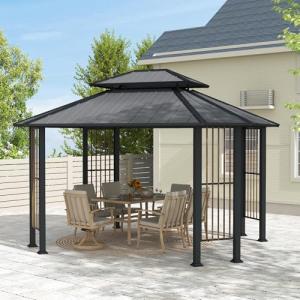
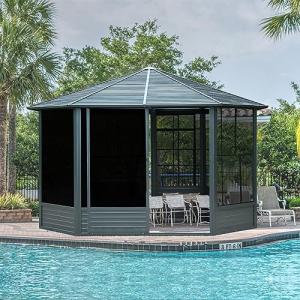
What Is an Octagonal Gazebo?
An octagonal gazebo is an eight-sided freestanding outdoor structure designed to serve as a sheltered focal point in a garden, backyard, patio, or park. Unlike square or rectangular pergolas, the octagonal shape creates a sense of symmetry and visual completeness from every angle, making it one of the most architecturally pleasing options available for outdoor living spaces.
The design traces its roots back centuries — Victorian and Edwardian gardens in Britain made the eight-sided pavilion a signature feature of refined outdoor spaces. Today, the form has evolved into a highly functional and widely loved structure, available in timber, metal, vinyl, and composite materials to suit every budget and setting.
Whether you're looking to create a shaded dining area, a quiet reading retreat, or an elegant centrepiece for your garden, an octagonal gazebo delivers both beauty and practicality in equal measure.
Why Choose an Octagonal Gazebo Over Other Shapes?
The eight-sided structure isn't just about looks — there are genuine functional reasons why so many homeowners and landscape designers choose octagonal gazebos over square, rectangular, or hexagonal alternatives.
360-Degree Views and Airflow
Because the octagonal shape has no dominant "front" or "back," it naturally encourages open sightlines in every direction. This means you get panoramic views of your garden from any seat inside. At the same time, the multiple open bays promote excellent natural ventilation — warm, stagnant air has plenty of escape routes, which makes an octagonal gazebo noticeably cooler in summer than enclosed garden rooms.
Structural Strength
Eight sides distribute load more evenly than four. The geometry means wind pressure is spread across a greater number of panels and roof segments, reducing the stress on any single joint or post. Well-built octagonal gazebos with proper anchoring are genuinely robust structures capable of handling typical seasonal weather conditions.
Generous Interior Space
The octagonal footprint tends to feel more spacious than its square footage suggests. The central floor area is open and unobstructed, and the radiating angles of the interior walls make furniture placement flexible. A standard 3.6-metre (12-foot) octagonal gazebo comfortably seats six to eight people around a central table — enough for a full family dinner outdoors.
Aesthetic Versatility
The symmetrical silhouette of an octagonal gazebo works across a wide range of garden styles. In a formal garden, it becomes an elegant destination point framed by clipped hedging or flower beds. In a more relaxed naturalistic garden, a stained timber octagonal gazebo nestles beautifully between trees and borders. Even in modern gardens with clean lines, a painted metal octagonal structure can feel deliberately architectural rather than decorative.
Materials: Which Is Right for You?
Octagonal gazebos are manufactured in several core materials, each with distinct characteristics.
Timber Octagonal Gazebos
Pressure-treated softwood and hardwood gazebos remain the most popular choice for residential gardens. Timber has a warmth and authenticity that no synthetic material fully replicates. Pressure-treated pine and spruce are cost-effective entry points, while cedar, redwood, and oak offer superior natural durability, resistance to rot, and a richer visual character.
Timber gazebos require periodic maintenance — typically re-staining or re-treating every two to three years depending on exposure — but many owners find this a minor inconvenience compared to the aesthetic rewards. Over time, untreated cedar and hardwood develop a natural silver-grey patina that many people find more appealing than the original finish.
Metal Octagonal Gazebos
Powder-coated steel and aluminium octagonal gazebos offer exceptional longevity with minimal upkeep. Steel is heavier and typically more rigid, while aluminium is lighter, naturally rust-resistant, and easier to relocate if needed. Both materials take paint finishes well, and modern powder-coating processes produce colours that are highly resistant to chipping and fading.
Metal gazebos are particularly well-suited to contemporary and industrial-style gardens. They're also a strong choice in coastal or high-humidity environments where timber may degrade more quickly.
Vinyl and Composite Octagonal Gazebos
Vinyl (PVC) and composite gazebos are engineered specifically to minimise maintenance. They won't rot, warp, crack, or require repainting. Cleaning involves nothing more than an occasional rinse with a garden hose. For busy homeowners who want the look of a timber gazebo without the upkeep, these materials offer a compelling alternative.
The trade-off is typically in feel — vinyl and composite structures can lack the organic character of real timber, and they may be perceived as less premium in high-end landscaping contexts.
Sizing Guide for Octagonal Gazebos
Choosing the right size is one of the most important decisions you'll make, and getting it wrong in either direction creates real problems. An undersized gazebo feels cramped and limits how you can use it; an oversized one can overwhelm a modest garden and make the space feel unbalanced.
Small Octagonal Gazebos (2.4 m – 3 m / 8 ft – 10 ft)
These compact structures suit smaller gardens, courtyard spaces, or situations where the gazebo is meant to serve one or two people — a garden reading nook, a meditation space, or a spot for a bistro table and two chairs. At this scale, an octagonal gazebo functions almost as a garden room rather than an outdoor entertaining structure.
Medium Octagonal Gazebos (3.6 m – 4.2 m / 12 ft – 14 ft)
This is the most popular size range for residential gardens. A 3.6-metre (12-foot) octagonal gazebo comfortably accommodates a six-seat garden dining set, making it a practical outdoor dining space for families. At 4.2 metres (14 feet), you gain enough room for a larger table, a side console, or a small barbecue station at one end.
Large Octagonal Gazebos (4.8 m – 6 m / 16 ft – 20 ft)
Larger structures are well-suited to spacious gardens, commercial hospitality settings, public parks, and events venues. At 4.8 metres and above, an octagonal gazebo can accommodate outdoor sofas and armchairs in a living-room arrangement rather than just a dining set. These are also the sizes typically chosen for wedding venue settings and outdoor event facilities.
Key Features to Look For
When comparing octagonal gazebos, several features have a significant impact on long-term satisfaction.
Roof Design
The roof is the defining structural and visual element of any gazebo. Octagonal gazebos typically feature either a single-tier or double-tier roof. A double-tier roof — where a smaller secondary roof sits above the main one — provides additional ventilation through the gap between tiers and creates a more traditional, classically ornate profile. Single-tier roofs are simpler and generally more modern in appearance.
Roof pitch also matters. A steeper pitch sheds rain more efficiently and tends to look more proportionate on larger structures. Roofing materials range from cedar shingles and asphalt tiles to polycarbonate panels and metal sheeting.
Floor Options
Octagonal gazebos can be purchased as structure-only units to be placed on an existing patio or deck, or ordered with purpose-built flooring included. Integrated timber floors add to the self-contained feel of the space and raise the interior slightly off the ground, improving drainage. If you're placing the gazebo on an existing concrete or paved surface, a floor may not be necessary.
Balustrades and Railings
Many octagonal gazebos include decorative balustrade panels between the posts. These define the perimeter of the space without fully enclosing it, add a significant degree of architectural interest, and offer a small amount of wind protection at seated height. Balustrade designs range from simple horizontal rails to ornate Victorian-style spindle work.
Screens and Side Panels
For year-round use or added privacy, look for gazebo models that accept optional roll-down screens, clear polycarbonate side panels, or mosquito netting. These accessories significantly extend the seasonal usability of an octagonal gazebo without making it a fully permanent enclosed structure.
Installation Considerations
Foundation Requirements
Most octagonal gazebos require a flat, level base. Poured concrete pads are the most stable solution, particularly for permanent timber and steel structures. For temporary or semi-permanent installations, compacted gravel or existing paving can be acceptable, though always check the manufacturer's recommendations.
Post anchors are a critical consideration in exposed or windy locations. Concrete-set post bases provide the most secure fixing.
Assembly
Octagonal gazebos are available both as flat-pack self-assembly kits and as professionally manufactured structures that require trade installation. The complexity of assembly scales with the size of the unit — smaller timber kits can realistically be installed by two competent DIYers over a weekend, but larger structures with complex roofing systems benefit from professional fitting.
Planning Permission
In the UK, most octagonal gazebos fall within permitted development rights and do not require planning permission, provided they meet certain criteria around height and position relative to the property boundary. However, rules vary depending on your local authority, whether your property is in a conservation area, and the gazebo's intended permanent use. It's always advisable to confirm with your local planning department before purchasing.
Care and Maintenance
The maintenance requirements for an octagonal gazebo depend primarily on the material:
Timber gazebos should be inspected annually for signs of rot, cracking, or insect damage, particularly at the post bases where moisture is most likely to accumulate. Re-treating with a quality wood preservative or stain every two to three years protects the timber and maintains appearance.
Metal gazebos benefit from an annual check for chips in the powder-coat finish. Any exposed bare metal should be touched up promptly to prevent surface rust. Aluminium requires very little attention beyond keeping it clean.
Vinyl and composite structures need the least maintenance — periodic washing with soapy water and a soft brush is usually sufficient.
Octagonal Gazebos as Investment
A well-chosen, properly installed octagonal gazebo adds genuine value to a property, both in terms of usable square footage and kerb appeal. Estate agents consistently note that mature, attractive garden structures contribute positively to buyer perception, particularly in family-oriented property markets.
Beyond resale, the more immediate return on investment comes through daily use — an octagonal gazebo transforms an underused garden into a functional outdoor room, extending the amount of time families spend outside across the warmer months and making al fresco dining and entertaining a genuinely comfortable experience rather than a compromised one.