Explore our range of pergola-style gazebos — freestanding and wall-mounted designs in timber, aluminium, and composite. Adjustable louvred roofs, modular sizing, and accessories to create your perfect outdoor living space.
Pergola-Style Gazebos
Product List
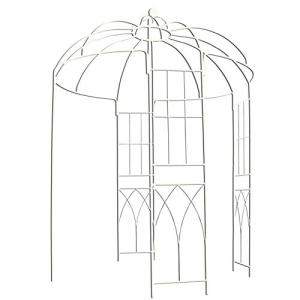
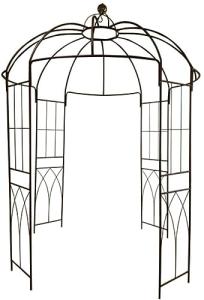
What Is a Pergola-Style Gazebo?
When you're looking to transform your outdoor space into something truly special, the pergola-style gazebo sits in a sweet spot that most other structures simply can't reach. It blends the open, airy elegance of a traditional pergola with the more defined, sheltered structure of a gazebo — giving you the best of both worlds in a single, stunning backyard centerpiece.
Unlike a classic pergola, which is typically a flat or slightly angled open framework, or a traditional gazebo with its fully enclosed roof, a pergola-style gazebo combines overhead coverage with open sides and architectural interest. The result is a structure that feels light and welcoming while still offering shade, partial weather protection, and a proper "room" feel outdoors.
These structures have surged in popularity over the last decade, and for good reason. Homeowners want outdoor living spaces that genuinely function — spaces where you can sit through a light rain, enjoy a summer evening without the full heat of the sun, or simply define a zone in the garden that feels intentional and designed.
Why Choose a Pergola-Style Gazebo Over Other Structures?
This is one of the most common questions people ask when they start shopping for outdoor structures, and the answer usually comes down to lifestyle and aesthetics.
A standard pergola offers gorgeous sightlines and lets in plenty of natural light, but it won't protect you from an afternoon shower or block intense midday sun. A full gazebo with a solid roof solves that problem but can feel heavy and enclosed — more like a hut than an elegant garden feature.
Pergola-style gazebos occupy the middle ground. Their louvered, slatted, or partially covered rooflines let you control light and airflow while still giving you real coverage. Many modern designs come with adjustable roof slats that you can open wide on a breezy morning or close down when clouds roll in. That kind of flexibility is something a fixed-roof gazebo simply can't offer.
They also tend to integrate more naturally with landscaping. Because their silhouette is more open and elongated, they don't dominate a garden the way a traditional octagonal gazebo might. They invite climbing plants like wisteria, jasmine, or roses to weave through the framework, softening the structure over time and making it feel like it genuinely belongs in your garden rather than sitting on top of it.
Materials — What Are Pergola-Style Gazebos Made From?
The material of your pergola-style gazebo is one of the most important decisions you'll make, affecting everything from maintenance requirements to how the structure looks in ten years' time.
Timber and Wood
Wood remains the most popular choice for pergola-style gazebos, and it's easy to understand why. There's a warmth and naturalness to timber that no synthetic material has yet managed to replicate convincingly. Hardwoods like oak, teak, and iroko are naturally resistant to rot and insect damage, making them excellent for outdoor structures even in climates with significant rainfall.
Softwoods like pressure-treated pine are a more affordable entry point, though they'll require more regular maintenance — staining or painting every couple of years to keep them looking their best and to prevent deterioration. If you're handy and enjoy the process of maintaining a garden, this doesn't need to be a drawback. The ritual of caring for a wooden structure can be satisfying, and the character that weathered timber develops over time is something many homeowners genuinely love.
Aluminium
Powder-coated aluminium has become the go-to material for modern, low-maintenance pergola-style gazebos. It's lightweight, extraordinarily durable, and completely immune to the rot and insect problems that wood structures face. A quality aluminium frame with a good powder coat finish will look essentially the same in twenty years as it does the day it's installed.
The trade-off is aesthetic. Aluminium reads as modern and clean-lined, which is perfect if your home and garden have a contemporary feel, but it can look out of place against period properties or in more traditional garden settings. Colour options are wide — most manufacturers offer a full palette of RAL colours — so you have real flexibility in making it work with your surroundings.
Steel
Steel frames are the heavy-duty option, favoured for larger structures and commercial applications. They offer exceptional strength and can span wider distances without requiring intermediate posts. For residential use, the extra weight and typically higher cost mean steel is less common, but if you're planning a very large structure or one that needs to withstand particularly exposed conditions, it's worth considering.
Composite and PVC
Composite materials — engineered wood products that combine natural fibres with plastic binders — are gaining ground as a middle option between real timber and aluminium. They resist rot and require minimal maintenance while retaining something of the texture and warmth of natural wood. Quality varies enormously between manufacturers, so it's worth handling samples before committing.
Roof Styles — The Defining Feature
The roofline is really what defines a pergola-style gazebo and separates it from both a standard pergola and a conventional gazebo. Here's a breakdown of the main options you'll encounter.
Fixed Louvred Roofs
Fixed louvres are angled slats set at a permanent angle, typically designed to maximise shade while still allowing airflow. They're simple, elegant, and require no mechanical components — which means nothing to go wrong. The downside is that you can't adjust them to respond to changing conditions throughout the day.
Adjustable Louvred Roofs
Adjustable louvred systems are one of the defining innovations in modern outdoor structures. The slats rotate on a central axis, typically operated by a hand crank or, in higher-end systems, an electric motor controlled by a remote or smartphone app. Open them fully for a completely open-air experience, angle them to direct light and shade exactly where you want it, or close them down tight when rain arrives.
This kind of responsive coverage transforms how you use an outdoor space. You're no longer at the mercy of the weather in the same way, and the ability to fine-tune the environment means you'll actually use the structure far more often than you would a fixed alternative.
Slatted Open Roofs
The more traditional pergola-style roof, featuring parallel beams running in a single direction with gaps between them. This is the most open of the roofing options — it won't stop rain, but it creates beautiful dappled shadow patterns and gives climbing plants an ideal framework. If you're in a hot, dry climate where rain protection is a lower priority, this style is hard to beat aesthetically.
Polycarbonate and Glass Panels
Some pergola-style gazebos incorporate solid roofing sections — polycarbonate sheets or tempered glass panels — into an otherwise open framework. This gives you genuine weatherproofing while maintaining the light, open feel of a pergola. Polycarbonate is lighter and less expensive; glass is premium but gives a cleaner, more architectural finish.
Size and Configuration Options
Pergola-style gazebos come in a remarkably wide range of sizes, from compact 3m x 3m structures suitable for a small urban garden up to vast 8m x 4m or larger structures that can accommodate full outdoor dining sets, sofas, and even outdoor kitchens beneath them.
Most manufacturers offer modular systems that can be extended over time, which is worth keeping in mind if you're working to a budget now but anticipate wanting more space later. It's almost always easier and cheaper to buy into a modular system from the start than to replace a fixed structure later.
Freestanding structures are the most common and give you full flexibility in placement, while wall-mounted or lean-to configurations attach directly to your house and are popular for covered terrace or patio applications. The lean-to format effectively extends your indoor living space outwards and tends to encourage more year-round use because of how seamlessly it connects to the home.
Planning, Installation, and Regulations
Before purchasing, it's always worth checking whether your local planning regulations require permission for the structure you have in mind. In the UK, for example, most garden structures fall under permitted development rights provided they meet certain size and placement criteria — but there are exceptions, particularly for listed buildings, conservation areas, and structures attached to the main dwelling.
Installation complexity varies enormously by product. Flat-pack timber kits designed for DIY assembly can be tackled by a competent home builder over a weekend. Motorised aluminium systems with integrated lighting, heating, and side screens are considerably more involved and typically require professional installation. Always factor installation costs into your budget from the outset rather than treating them as an afterthought.
Features and Accessories to Look For
Modern pergola-style gazebos are far more than just a roof and some posts. The accessory ecosystem around quality structures has expanded significantly, and the right additions can genuinely transform how you use the space.
Integrated LED lighting is one of the most popular additions, allowing you to use the structure well into the evening. Retractable or fixed side screens — mesh, fabric, or even glass — give you wind and privacy protection without closing the structure off completely. Infrared electric heaters mounted to the roof frame can extend the season well into autumn in cooler climates. Guttering and drainage systems integrated into the posts keep water from pooling and allow the structure to handle serious rainfall without issue.
Some high-end systems now incorporate smart home connectivity, allowing you to control roof position, lighting, and heating through a single app or integrate with wider home automation systems.
Choosing the Right Pergola-Style Gazebo for Your Space
The best way to approach this decision is to start with how you actually want to use the space, then work backwards to the specification.
If you want a structure for occasional summer use — weekend barbecues and lazy Sunday afternoons — a simpler timber or composite kit with a fixed slatted roof may be entirely sufficient. If you want to genuinely extend your outdoor season and use the space through variable weather, invest in a quality adjustable louvred roof and consider side screens and heating. If low maintenance is your absolute priority, aluminium with powder coat finish is the obvious answer.
Think carefully about scale. It's a very common mistake to underestimate how much space a pergola-style gazebo will actually occupy, both physically and visually. A structure that looks modest in a showroom can feel overwhelming in a small garden. Always measure your space carefully and ideally mark out the footprint with canes and string before ordering, so you can live with the dimensions for a few days before committing.