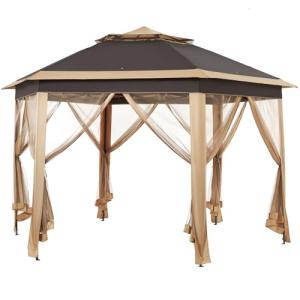
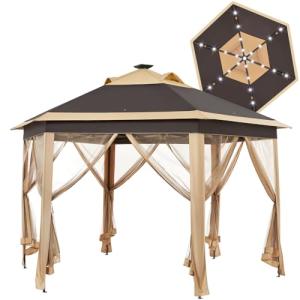
What Makes Hexagonal Gazebos Different?
Most people shopping for outdoor structures start with pop-up canopies or simple square pergolas. Hexagonal gazebos occupy a different category entirely — and once you understand why, it's hard to go back.
The six-sided footprint distributes weight and wind load more evenly than four-sided structures. This isn't just an aesthetic detail; it's engineering. Each post shares a more equal burden, which means hexagonal gazebos tend to be more structurally stable in adverse weather when built to a proper standard. The shape also means there's no obvious "back" to the gazebo — guests naturally face inward and toward each other, making it far better suited to conversation, dining, and gathering than a rectangular structure with a dominant front-to-back axis.
There's also the visual dimension. A hexagonal gazebo draws the eye. It echoes natural forms — honeycombs, snowflakes, the cells of a beehive — and sits comfortably in both formal and wild garden settings. It can look classical with the right detailing, or modern with clean lines and minimal ornament.
Types of Hexagonal Gazebos
Hardtop Hexagonal Gazebos
Hardtop models feature solid roofs — typically constructed from powder-coated steel, aluminum, or polycarbonate panels. These are the most weather-resistant option in the hexagonal category. A hardtop gazebo can stay up year-round in most climates, providing reliable shelter from rain and heavy sun without the need to store or replace a fabric canopy each season.
The trade-off is weight and cost. Hardtop hexagonal gazebos are heavier to install and generally more expensive upfront, but their longevity makes them a sound long-term investment. Many models include built-in gutters, a detail that sounds minor until the first downpour — suddenly, water runs cleanly off the roof rather than dripping onto your guests.
Soft-Top Hexagonal Gazebos
Soft-top models use a fabric canopy stretched over a rigid frame. They're lighter, easier to assemble, and often significantly more affordable than hardtop alternatives. The canopy — usually made from polyester with UV coating or treated canvas — provides shade and light rain protection.
The honest limitation of soft-top gazebos is canopy durability. Even high-quality fabrics degrade with sustained UV exposure and repeated soaking, and most will need replacing every few years depending on your climate. That said, replacement canopies are widely available, and a well-maintained soft-top hexagonal gazebo can last a decade or more with reasonable care.
Wooden Hexagonal Gazebos
For many buyers, nothing competes with the warmth and authenticity of timber. Wooden hexagonal gazebos — typically built from pressure-treated pine, cedar, or FSC-certified hardwoods — bring a crafted, permanent quality that metal structures rarely match. They integrate naturally into backyard landscapes, weather beautifully with age (particularly cedar, which develops a distinguished silver patina), and can be painted, stained, or left natural.
Wooden gazebos generally require more maintenance than metal alternatives. Annual treatment with a quality wood preservative keeps rot and insect damage at bay, and any structural repairs require carpentry skills rather than a screwdriver. But for a permanent backyard feature intended to add lasting value, a hardwood hexagonal gazebo is hard to beat.
Metal Hexagonal Gazebos
Aluminum and steel hexagonal gazebos have grown enormously in popularity, and it's easy to see why. A quality aluminum frame won't rust, won't warp, and requires almost no maintenance beyond an occasional wipe-down. Steel frames offer greater rigidity at the cost of susceptibility to rust if the coating is damaged — look for powder-coated or galvanized finishes.
Metal hexagonal gazebos often combine aluminum or steel frames with polycarbonate or tempered glass roof panels, creating a clean, contemporary look that suits modern backyards and patios particularly well.
Size Guide — Choosing the Right Hexagonal Gazebo for Your Space
Hexagonal gazebos are typically measured by the distance between opposite corners (the "width") or by the length of a single side. These measurements aren't always interchangeable, so it's worth checking which dimension a manufacturer quotes.
As a rough guide:
A small hexagonal gazebo (typically 8–10 ft wide) suits a compact yard or balcony setting. These are ideal for a bistro table and two chairs, a hot tub surround, or a quiet seating area. They're also easier to handle for a two-person installation.
A medium hexagonal gazebo (10–13 ft wide) is the most popular size range. It comfortably accommodates a round dining table with six chairs and leaves enough room to move around without feeling squeezed. This size works well on standard residential patios.
A large hexagonal gazebo (13 ft and wider) suits larger properties, commercial settings, or anyone who genuinely wants to furnish the space generously — think sofas, a bar cart, a fire pit, and room to spare. These structures may require a building permit in certain states or municipalities, so it's worth checking local regulations before purchasing.
Key Features to Look For
Frame Material and Wall Thickness
The frame is the skeleton of your gazebo, and its quality determines longevity more than almost any other factor. For metal frames, look for wall thickness specifications — tubing with thicker walls (typically 1.2 mm or greater, or roughly 0.05 inches) is significantly more resistant to bending and deformation under wind or snow load. For wooden frames, check whether the timber is kiln-dried and pressure-treated to at least a 0.15 lbs/ft³ retention level for ground-contact applications.
Roof Rating and Drainage
Check whether the roof is rated for snow load if you live in a region with cold winters. In northern states, snow loads of 20–40 lbs per square foot are common, and soft-top canopies with a low pitch can accumulate standing water and snow, placing dangerous stress on the frame. Steeper roof pitches and built-in drainage channels are meaningful quality indicators.
Anchoring Options
A gazebo that isn't properly anchored is a hazard. Look for models that include anchor plates, ground spikes, or concrete-fixing options for the posts. If you're installing on decking rather than grass or paving, check that the post bases are compatible with surface-mounting hardware. Most residential installations use 4×4 inch post anchors or J-bolt concrete anchors rated for the structure's wind exposure category.
Side Panels and Mosquito Netting
Many hexagonal gazebos are sold with optional or included side panels — solid fabric sides for wind and privacy, or mesh netting for insect protection. Netting panels are particularly valuable in warmer months and make a hexagonal gazebo far more usable in the evenings. Check whether these are included or available as accessories before purchasing.
UV Protection
For any soft-top model, UV protection rating matters. Look for canopies with UPF 50+ ratings, which block at least 98% of ultraviolet radiation. This protects both the people inside and the canopy fabric itself from premature degradation — especially important in high-UV states like Arizona, Florida, and Texas.
Installation — What to Expect
Most medium-sized hexagonal gazebos can be assembled by two people in three to six hours with standard hand tools. Larger or heavier models, particularly hardtop hexagonal gazebos with steel or polycarbonate roofing panels, may require three or four people for safe assembly due to the weight and reach involved.
Before assembly, spend time preparing the ground. A level base is essential — even a 1–2 inch slope causes visible lean and can prevent panels and doors from operating correctly. Concrete pads, paving slabs, or compacted gravel all make excellent bases. Soft or unstable ground should be avoided for permanent structures.
Read the manual before beginning. This sounds obvious, but hexagonal gazebo assembly often involves dry-fitting components before final tightening, and deviating from the recommended sequence can mean dismantling completed sections.
Styling Your Hexagonal Gazebo
The interior of a hexagonal gazebo is genuinely flexible. Its equal sides mean furniture arranges naturally — a round or hexagonal table sits at the center with chairs radiating outward, or a circular sectional sofa fits the space with an almost designed-in quality.
For lighting, outdoor string lights wound around the roof struts are effective and easy. More permanent options include solar-powered LED lights integrated into the frame, or low-voltage outdoor spotlights rated for wet or damp locations (look for UL-listed fixtures with a minimum IP44 rating). Adding a chandelier-style pendant light to the apex gives a particularly elegant finish.
For flooring, interlocking deck tiles, outdoor rugs, or artificial grass can transform the feel of the interior without permanent commitment. Standard 12×12 inch or 24×24 inch pavers lay cleanly within most hexagonal footprints. In warmer climates, bare stone or tile stays cool underfoot and is easy to maintain.
Maintenance and Care
Regular maintenance extends the lifespan of any hexagonal gazebo considerably. For metal structures, inspect joints and welds annually for rust or surface damage, treating any bare metal with a rust-inhibiting primer. For wooden structures, apply a fresh coat of preservative stain or penetrating oil every one to two years — products with a mildewcide additive are especially useful in humid southern states.
Soft-top canopies benefit from occasional cleaning with a mild soapy solution and a soft-bristle brush — avoid pressure washing, which can damage coatings and force water into seams. Store or remove canopies during extended periods of heavy snowfall or severe weather if the manufacturer recommends it. In regions that regularly see more than 12 inches of snow accumulation, removing the canopy for winter is good practice regardless.
Tighten all bolts and fixings at least once a year using the correct torque for the fastener size. Vibration from wind causes hardware to work loose over time, and a few minutes with a wrench each spring can prevent minor issues from becoming structural ones.
Why a Hexagonal Gazebo Is Worth It
A well-chosen hexagonal gazebo does something that most backyard purchases don't: it creates a genuinely new room in your home. Covered, defined, and designed to gather people together, it extends the usable season of your outdoor space and provides a destination rather than just a backdrop.
The hexagonal form isn't a trend. It's been present in garden design for hundreds of years because it works — structurally, socially, and aesthetically. Whether you choose a classic wooden model with turned posts and a shingled roof, or a sleek aluminum and polycarbonate contemporary structure, a hexagonal gazebo is an investment in the quality of time spent outdoors.