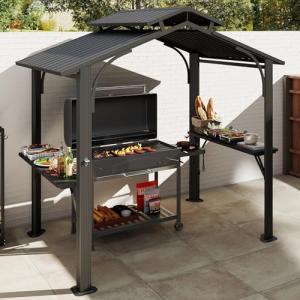
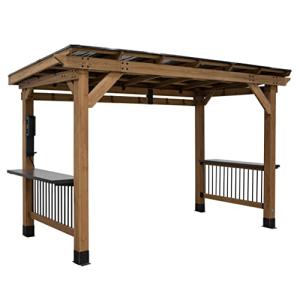
What Is a Grill & Kitchen Gazebo?
A grill and kitchen gazebo is a purpose-built outdoor shelter designed specifically to house your barbecue setup, smoker, pizza oven, or outdoor kitchen. Unlike a standard garden gazebo meant purely for relaxing or dining, these structures are engineered with cooking in mind. That means you'll find features like open side panels or vented roofs to allow smoke to escape, reinforced frames that can handle the heat rising from a working grill, and practical shelf or hook systems for keeping utensils, seasonings, and accessories within arm's reach.
Think of it as your outdoor kitchen's permanent home — a dedicated space where function meets style, and where the weather no longer gets a vote in whether you cook outside today.
Why You Need One: The Real-World Benefits
Protection From the Elements
Let's start with the most obvious reason people buy a grill gazebo: the weather is unpredictable. In some places, a sunny morning can turn into a drizzly afternoon with almost no warning. A quality grill gazebo gives you a sheltered cooking zone that keeps both you and your equipment protected from rain, wind, and harsh UV rays.
Rain isn't just an inconvenience — it can be a safety hazard around hot grills, and it certainly ruins the mood of an outdoor gathering. With a dedicated gazebo overhead, light showers become a non-issue. You simply carry on cooking, and your guests stay dry and comfortable nearby.
Wind is another factor that most people underestimate. Even a moderate breeze can cause flare-ups on a charcoal grill, dramatically affect cooking temperatures, and send embers drifting in dangerous directions. The structured frame and optional side panels of a grill gazebo act as a natural windbreak, giving you far more control over your cooking environment.
A Permanent Home for Your Outdoor Kitchen
If you've invested in a quality gas grill, ceramic smoker, or built-in outdoor kitchen, you want to protect that investment. Leaving high-end cooking equipment exposed to the elements year-round accelerates rust, degrades materials, and shortens the lifespan of your gear significantly.
A grill gazebo provides consistent, year-round protection. Many models are designed to be left up permanently throughout the warmer months, and some heavier-duty options can remain standing all year long with proper maintenance. This means your grill is always ready to go — no dragging it in and out of storage, no fighting with covers in the rain, just a clean and ready setup waiting for you whenever the mood strikes.
Better Cooking Results
This one surprises people, but it's absolutely true: a sheltered cooking environment genuinely improves your results. Consistent heat, reduced wind interference, and a stable workspace all contribute to more predictable and controlled cooking. You're less likely to experience uneven temperatures caused by drafts, and you'll find that you can better monitor your grill's performance without squinting against the sun or leaning into the rain.
Serious outdoor cooks — the kind who take their brisket or Sunday roast very personally — often cite a proper grill shelter as one of the most meaningful upgrades they've made to their outdoor setup.
Key Features to Look For
Vented Roof Design
This is non-negotiable for any gazebo placed over an active grill. Smoke needs somewhere to go, and a solid unvented roof will trap it directly above you, turning a pleasant cooking experience into an uncomfortable and potentially unsafe one. Look for double-tier roof designs with a raised inner vent, or ridge vents that allow smoke to escape naturally upward while still keeping rain out.
Frame Material and Durability
The frame is the backbone of your gazebo, and it needs to be built to last. Steel frames offer excellent strength and rigidity, and powder-coated finishes protect against rust and corrosion. Aluminium frames are lighter and naturally rust-resistant, making them a great choice in wetter climates. Hardwood frames bring a beautiful aesthetic but require more maintenance over time.
For a grill gazebo specifically, make sure the frame is rated to handle heat proximity. Some cheaper gazebos use materials that can warp or degrade when positioned too close to a working grill.
Canopy Material
Polyester with a PVC backing is the most common canopy material, offering a solid balance of water resistance, UV protection, and affordability. Higher-end options may use solution-dyed acrylics, which are more fade-resistant and breathable — worth considering if your gazebo will be in direct sunlight for extended periods.
Check the water resistance rating (often expressed as a hydrostatic head measurement in mm). For a cooking shelter that'll see regular use in unpredictable weather, you want at least 1000mm, with 3000mm and above offering genuinely solid waterproofing.
Size and Footprint
Grill and kitchen gazebos typically range from compact 3x3 metre models suited to a single large grill, all the way up to substantial 4x6 metre structures that can accommodate a full outdoor kitchen setup with multiple appliances, prep surfaces, and even seating.
Before purchasing, measure your intended cooking area carefully. You want enough clearance around your grill for safe operation — as a general rule, leave at least 60-90cm between the side of your grill and the gazebo posts, and ensure the height of the canopy provides comfortable standing room for tall users.
Storage and Utility Features
The best grill gazebos aren't just shelters — they're workstations. Look for models that include side curtains for added weather protection, integrated hooks for hanging utensils, and accessory shelving for keeping everything organised. Some premium models even feature built-in lighting rails, meaning you can extend your cooking sessions into the evening with ease.
Choosing the Right Style
Classic Peaked Roof Gazebos
The traditional peaked or gabled roof design offers excellent drainage, a timeless aesthetic, and typically the best ventilation performance. These suits traditional gardens and work well alongside wooden decking or stone patio areas. They tend to have a more formal look and are often available in neutral, garden-blending colours.
Modern Flat or Mono-Pitch Designs
For contemporary homes with minimalist outdoor spaces, a flat or single-slope canopy gazebo creates a sleek, architectural feel. These designs often integrate beautifully with modern composite decking, outdoor tiles, and stainless steel kitchen setups. They're not always as effective at shedding heavy rain quickly, so pay close attention to canopy quality and drainage.
Pavilion-Style Structures
If you're planning a full outdoor kitchen experience — including a large grill, smoker, side burners, refrigeration, and a dining area — a pavilion-style structure may be what you need. These are larger, more permanent installations that blur the line between a gazebo and an outdoor room. They typically feature solid roof panels, integrated guttering, and optional wall panels that can be opened or closed depending on conditions.
Setup and Installation Tips
Most freestanding grill and kitchen gazebos are designed for relatively straightforward self-assembly, typically requiring two to four people and a few hours of your time. That said, there are a few things worth doing before you get started.
First, choose your site carefully. Position your gazebo on a level, stable surface — concrete, paving slabs, or compacted gravel all work well. Avoid soft lawn or loose soil as a permanent base, as this can allow the frame to shift over time. If you're planning a permanent installation, consider anchoring the feet to your patio surface using appropriate fixing kits.
Second, think about clearance from structures. Most manufacturers recommend a minimum distance of around 1-2 metres between your gazebo and any walls, fences, or overhanging trees. This is partly for fire safety, and partly to ensure proper airflow around the structure.
Finally, don't skip the anchoring step. Even a heavy steel gazebo can become dangerous in high winds if it's not properly secured. Use the anchor points and ground pegs provided, or invest in purpose-made weight bags or ground anchors for a more permanent solution.
Maintenance and Longevity
A well-maintained grill gazebo will serve you faithfully for many years. After each cooking session, allow the canopy to dry fully before storing or closing any panels — trapped moisture is the primary cause of mildew and fabric degradation.
Clean the canopy periodically using a mild soapy solution and a soft brush. Avoid pressure washing, as this can damage the waterproof coating. Steel frames benefit from an annual check for any chips or rust spots in the powder coat — small areas can be touched up with suitable outdoor paint to prevent corrosion spreading.
If you live in an area with harsh winters, consider removing and storing the canopy during the coldest months, even if the frame stays up. This significantly extends the life of the fabric and keeps your gazebo looking sharp season after season.
The Perfect Complement to Your Outdoor Living Space
A grill and kitchen gazebo isn't just a practical purchase — it's an investment in your lifestyle. It transforms your garden from a place you occasionally barbecue into a proper outdoor living and cooking space that you'll actually use, regardless of the forecast. It extends your entertaining season, protects your equipment, and gives you a dedicated zone where serious cooking can happen.
Whether you're a weekend warrior who fires up the grill every Saturday, a dedicated outdoor chef who cold-smokes salmon and slow-cooks ribs overnight, or simply someone who wants to make the most of their garden year-round, there's a grill gazebo in this range that's built exactly for how you cook and how you live.